

1. Core Elements of Graphic Design
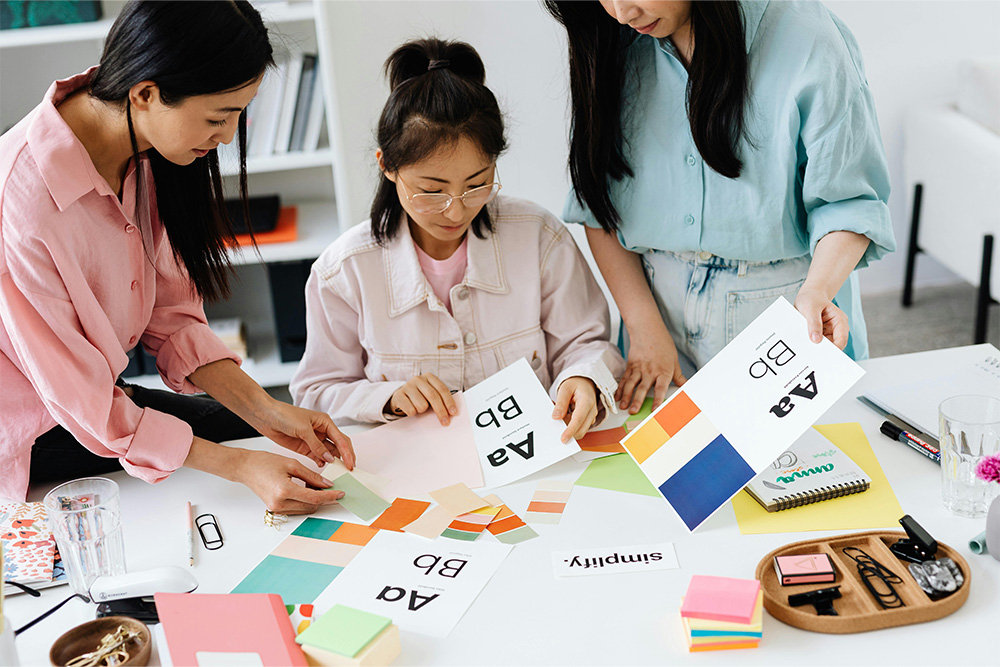
Graphic design is a key component of brand communication, with core elements including color schemes, typography, and graphics. Each design decision deeply impacts the overall brand image.
• Color Scheme
Color is one of the most expressive elements in graphic design, impacting emotional appeal and market positioning. The right color choices can attract target audiences and convey a brand’s unique personality. For example, blue often represents professionalism and trust, while red can evoke passion and urgency.
• Typography
Typography directly influences the efficiency and aesthetic of information delivery. Proper font choice, size, and spacing improve readability and overall visual effect. Excellent typography helps consumers easily understand brand messages, enhancing brand recall.
• Graphic Design
Graphics are integral to brand recognition. Simplistic yet creative graphics, such as logos and illustrations, effectively convey a brand’s core values and establish a visual connection with the audience.
2. Designing Visual Elements That Align with Brand Positioning and Target Audience Needs
Brand positioning is the foundation of graphic design. Designs must align with a brand’s market positioning and resonate with target audiences.
• Target Audience Analysis
Understanding the demographic and psychographic characteristics of target audiences helps in creating designs that resonate with them. For example, designs for younger audiences tend to be more creative and vibrant, while those for premium consumers lean toward simplicity and sophistication.
• Visual Style Consistency
Consistency in visual style enhances brand recognition. Whether it’s in advertising, social media, or product packaging, a unified design language ensures consumers can quickly identify the brand at various touchpoints.
3. Application of Graphic Design in Marketing: Enhancing Brand Exposure
Graphic design is more than just an aesthetic tool. It plays a vital role in marketing and significantly enhances brand visibility and competitiveness.
• Advertising
In advertising, graphic design grabs attention and communicates brand value effectively in seconds. With strategic use of color, typography, and imagery, ads can captivate potential customers and drive interest.
• Social Media Design
Social media is a critical platform for brand marketing. Creative images, GIFs, and videos can increase interaction, fostering stronger consumer relationships. High-quality design boosts brand exposure and leads to more likes, shares, and comments.
• Product Packaging and Marketing Integration
Graphic design in product packaging is essential for market competitiveness. Unique and well-designed packaging not only enhances brand image but also drives consumer purchase intent, increasing brand loyalty.
4. The Synergistic Effect of Graphic Design Across Social Media, Advertising, and Other Channels
Brand marketing today spans multiple platforms, and graphic design creates a seamless synergy across these channels, boosting brand influence.
• Cross-Platform Advertising and Social Media Integration
Brands often need to target multiple social media platforms. Consistent graphic design ensures brand messaging is effectively communicated across platforms, enhancing market recognition. A unified visual language allows consumers to identify the brand across different touchpoints.
• Offline Events and Brand Design Interaction
Offline events such as exhibitions and store displays benefit from graphic design to increase audience engagement. Through creative visuals like posters and interactive elements, brands can amplify their impact in physical spaces.
5. The Long-Term Role of Graphic Design in Brand Building
Graphic design is a long-term driver of brand success. While it can enhance immediate recognition, it also plays a pivotal role in sustained brand building.
• Sustained Brand Image Creation
Brand image creation is a gradual process that requires ongoing optimization of graphic design to adapt to market changes and consumer needs. Consistent design maintains brand visibility and recognition in a competitive market.
• Balancing Innovation and Consistency
While consistency is important, innovation in design is necessary to maintain freshness in the market. Introducing new design elements, techniques, and styles keeps the brand dynamic while retaining its core identity.
• Enhancing Brand Loyalty
Consistent visual design fosters a deeper emotional connection with consumers, enhancing brand loyalty. Brands can strengthen relationships with their audience and foster long-term loyalty through well-crafted design.
Conclusion:
Graphic design is not just an exterior tool for branding; it is a core driver of brand development. By strategically using color, typography, and graphics, brands can increase recognition, enhance market influence, and maintain long-term competitiveness. Designers should continue to focus on market trends and consumer preferences, delivering innovative solutions to help brands thrive in competitive markets.