

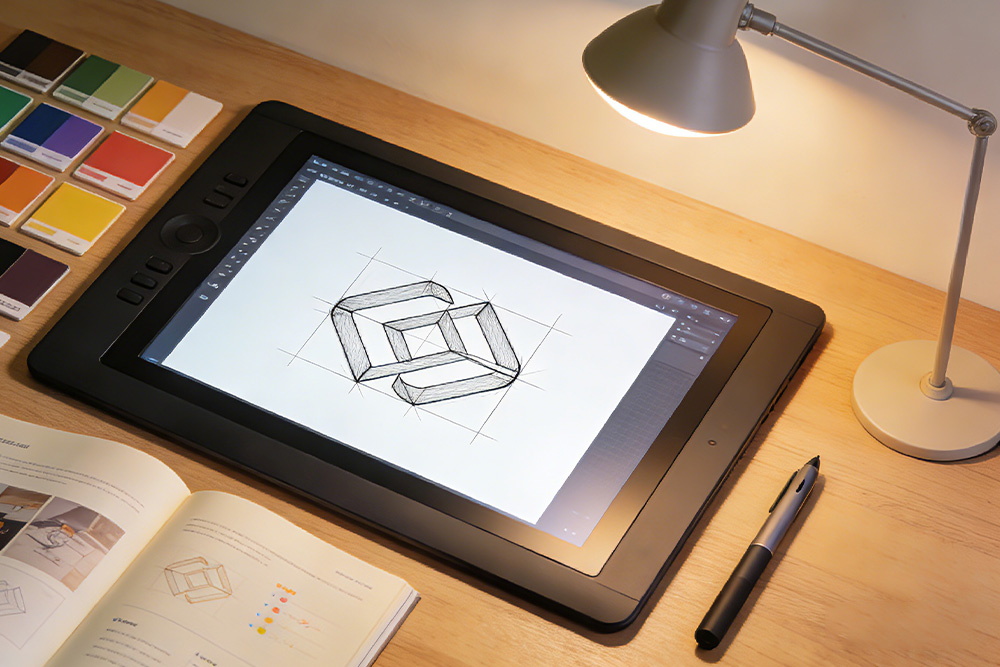
Why a Brand Visual Refresh Is More Than Just a Logo
Many companies fall into the trap of thinking that a brand redesign is complete once the logo changes. However, a visual identity system encompasses more than just the logo—it includes color schemes, typography, graphic elements, imagery, and layout rules. In today’s multi-channel, digital-first environment, visual consistency and strategic significance go far beyond a single mark.
A successful brand visual update reinforces perception and trust through cohesive visual language, not just an aesthetically pleasing logo.
When to Consider a Brand Visual Refresh
The need for a visual update should be driven by market signals and brand life cycle, not personal preference:
1. Declining Brand Recognition
When users struggle to recognize your brand among competitors, it indicates your visual system is losing its effectiveness.
2. Strategic or Positioning Changes
When business models, audience segments, or brand values evolve, the existing visuals may fail to communicate the new strategy.
3. Visual Aging and Experience Gaps
As media environments change, legacy visuals may underperform on digital platforms, creating fragmented user experiences.
These signals require comprehensive evaluation through data analysis, user research, and performance metrics rather than subjective judgment.
Balancing Legacy and Innovation: Continuity vs. Modernization
The core challenge of a brand visual update is introducing modern visual elements while retaining brand memory:
• Preserve Key Visual Assets
Signature shapes, colors, and symbols in the logo serve as memory anchors
• Introduce New Elements
Typography refinements, color adjustments, and graphic updates enhance modernity and recognition.
• Create a Unified Visual System
Logos, typography, colors, imagery, and layouts should form a complete system for consistent cross-platform application.
Strategic balance prevents recognition gaps while giving the brand a refreshed, contemporary appearance.
Case Study: How Visual Refresh Impacts Brand Value and Conversions
The impact of a visual refresh extends beyond aesthetics:
• Enhanced Brand Recognition
Clearer visuals improve engagement on social media, advertising, and websites.
• Strengthened Brand Positioning
Alignment with brand strategy helps audiences quickly understand brand value.
• Improved Conversion and Sales
Optimized visual systems support purchase decisions across e-commerce, websites, and offline touchpoints.
For example, a lifestyle brand increased website traffic by 30% and improved engagement metrics within three months after refreshing its color and image system.
Brand Visual Upgrade Process
A comprehensive visual refresh typically includes:
1. Visual Audit and Strategy Review
Analyze current visuals vs. future goals to define scope and direction.
2. Core Visual Architecture Design
Redesign symbols, optimize typography, adjust colors and graphic style while preserving memory anchors.
3. Systematic Visual Guidelines
Develop a complete library covering logo, color, typography, imagery, and layout for consistent application.
4. Cross-Platform Implementation
Apply visual guidelines across websites, social media, advertising, and offline touchpoints to ensure cohesive presentation.
This process creates a refreshed brand image and long-term, operational visual assets that enhance competitiveness.
Conclusion: Visual Refresh as a Long-Term Brand Strategy
A brand visual update is not merely a design task—it is a strategic decision. Properly executed updates increase vitality, improve communication, and drive conversions; reckless changes can break brand memory and confuse audiences.
Visual identity is more than a logo—it is a comprehensive visual language system. Understanding the underlying logic and revitalizing assets while preserving core elements ensures the brand thrives in the modern market.