

▲ Diverse Ad Formats to Match Different Communi cation Goals
On social media platforms, ad formats are diverse and flexible. Common types include:
• Display Ads: Primarily image and text-based, suitable for quickly boosting brand visibility.
• Video Ads: Convey emotions and storytelling through dynamic visuals, ideal for building brand image.
• Dynamic Ads: Automatically generated based on users’ browsing or purchasing behaviors, effective in improving personalized recommendations and conversions.
Brands should choose ad formats based on specific marketing goals. For example, new product launches are well-suited to video storytelling, while e-commerce promotions work better with dynamic ads that directly drive conversions.
▲ Precise Audience Targeting to Improve Effectiveness
Accurate audience targeting is the foundation of effective advertising. Social media platforms provide multidimensional data on users, including location, age, interests, and behaviors. By combining this data with customer profiles, businesses can leverage Lookalike Audiences or retargeting groups to effectively reach potential customers.
Continuous data analysis and audience segmentation help avoid the inefficiencies of “scattershot” advertising, enabling precise targeting and higher conversion rates.
▲ Timing and Budget Allocation as Key Success Factors
Advertising must reach not only the right people but also at the right time. Performance varies significantly across industries and platforms depending on timing. For instance, B2B campaigns tend to perform better on weekdays, while consumer products often see higher click-through rates in the evenings or on weekends.
In terms of budget management, brands can run A/B testing to evaluate different campaign setups, then allocate more budget to the best-performing ad groups—ultimately improving overall ROI.
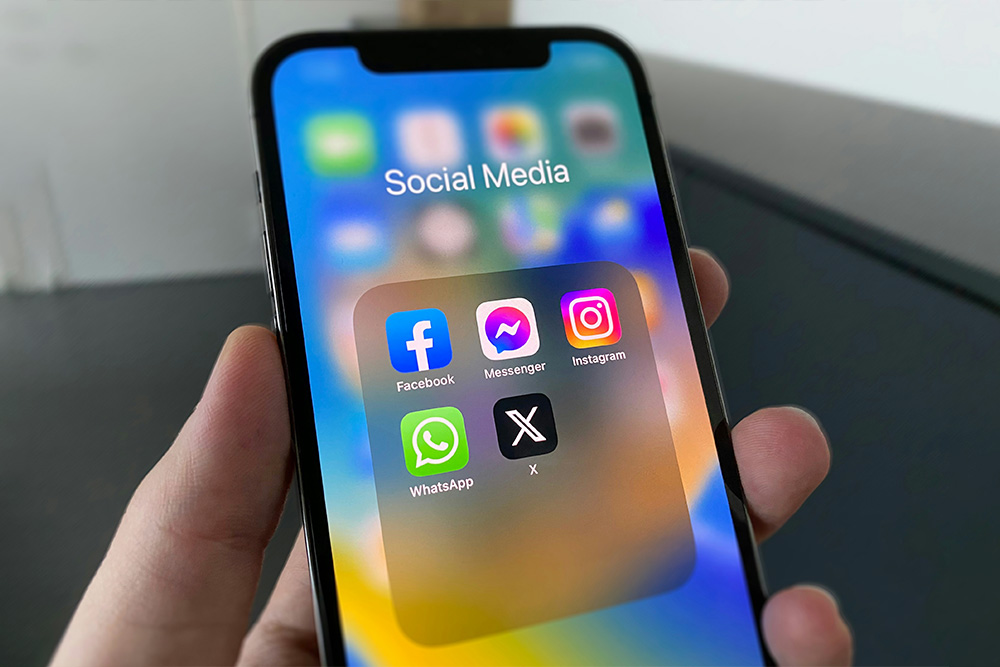
▲ Platform Selection: Choosing the Right Arena for Your Brand
Different social media platforms have distinct characteristics and user bases:
• Some platforms have broad coverage, making them suitable for enhancing brand awareness and exposure.
• Others focus on visual content, ideal for lifestyle brands seeking to inspire audiences.
• Certain platforms concentrate on professional users, making them more suitable for B2B marketing and high-end services.
Businesses should align platform strategies with their target market and product positioning, implementing a multi-platform approach rather than relying on a single channel. This ensures maximum reach and impact.
▲ Optimization Tools and Techniques to Secure Maximum Returns
Advertising is not a “set-and-forget” process—ongoing optimization is essential. Key practices include:
• Data-Driven Decisions: Use analytics tools to track CTR, conversion rates, and ROI, and adjust strategies accordingly.
• Creative Testing: Run multiple versions of ad creatives to optimize copywriting and visuals.
• Automation Tools: Leverage AI and automated bidding systems to enhance efficiency and targeting accuracy.
With continuous iteration and refinement, brands can achieve higher conversion rates within the same budget.
▲ Conclusion
In the new era of digital marketing, social media advertising is no longer just a channel for exposure—it has become a core driver of brand growth and conversions. By creating a complete loop across ad format selection, audience targeting, campaign strategy, and ongoing optimization, businesses can truly maximize the returns on their advertising investments.
Wishing you happiness every day.